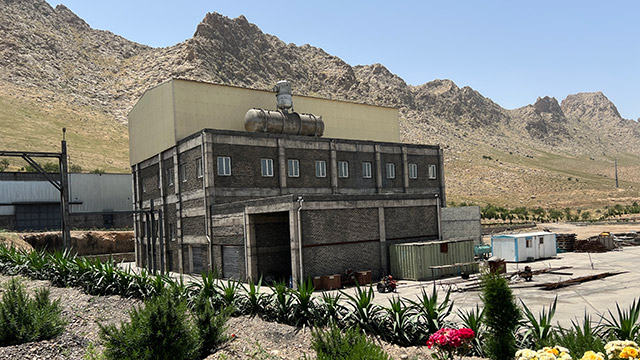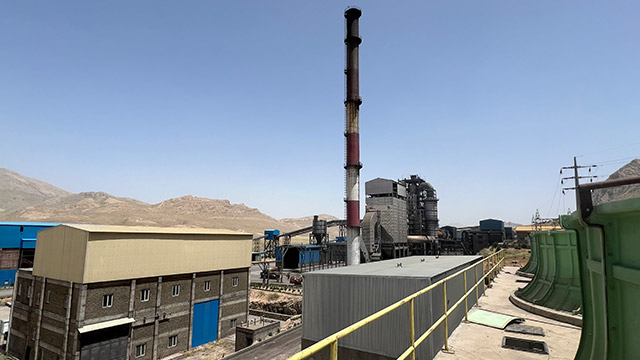
As part of its ongoing sustainability and energy-efficiency initiatives, Bisotoun Steel is implementing a waste heat recovery project for exhaust gases generated by its direct reduction iron (DRI) unit. The strategic project is designed to optimize the use of wasted energy, reduce environmental emissions, and contribute to a more reliable energy supply, positioning it as one of the notable energy-efficiency projects in Iran’s steel industry.
Under the project, treated exhaust gases from the direct reduction unit’s stack, which were previously released into the atmosphere without being utilized, will be converted into usable energy through advanced heat-recovery systems and heat exchangers. The recovered energy will be used to generate steam and electricity at the company’s in-house power plant. In addition to improving the efficiency of production processes, this approach will help reduce the company’s dependence on external energy sources.
The project also offers significant environmental benefits. Recovering thermal energy will reduce the consumption of fossil fuels and consequently lower greenhouse gas emissions, contributing to improved air quality and reducing the environmental footprint of steel production.
The importance of the project extends beyond its environmental advantages. At a time when Iran’s industrial sector is facing energy imbalances and constraints on electricity and natural gas supplies, utilizing recovered energy can help meet part of Bisotoun Steel’s energy requirements from internal resources. This can reduce production costs while also contributing to more efficient energy management at the national level.
The initiative represents another important step toward achieving green steel objectives and reducing the industry’s carbon footprint—an approach that has become one of the most important priorities for the global steel industry. By implementing this project, Bisotoun Steel is demonstrating its commitment to combining industrial development with environmental protection and the adoption of advanced technologies, further strengthening its position as a company focused on sustainable production and energy efficiency.
Once fully operational, the project will transform the energy contained in exhaust gases from the direct reduction unit into a valuable resource for generating electricity and steam. This achievement will not only improve production efficiency but also contribute to a cleaner, more economical, and more sustainable future for the steel industry and the environment.