According to the public relations office of Shokri Industrial Group, Bisotoun Steel in recent years, considering the increase in energy prices and national restrictions in the field of electricity and gas, has implemented a series of technical and managerial measures to optimize energy consumption and improve production efficiency.
These measures include optimizing the production process by reviewing production lines and using modern equipment to reduce thermal losses, replacing part of the old equipment with new low-consumption machinery, and adjusting production scheduling based on off-peak hours of the power grid to reduce costs and prevent pressure on the network.
In the field of smart energy management, the company has launched a monitoring system for electricity and gas consumption in various production sectors, identified high-consumption points, provided corrective solutions, and trained personnel on saving culture and proper equipment utilization.
Furthermore, reducing losses in the internal power grid has been pursued through upgrading and modernizing power panels and cables, and installing capacitor banks to improve power factor and reduce electricity costs. In internal transportation, part of the fleet has been renewed, and more fuel-efficient vehicles have been utilized along with precise planning to reduce unnecessary trips.
On the path of sustainable development, this company has followed several green projects to reduce environmental pollutants while improving energy efficiency.
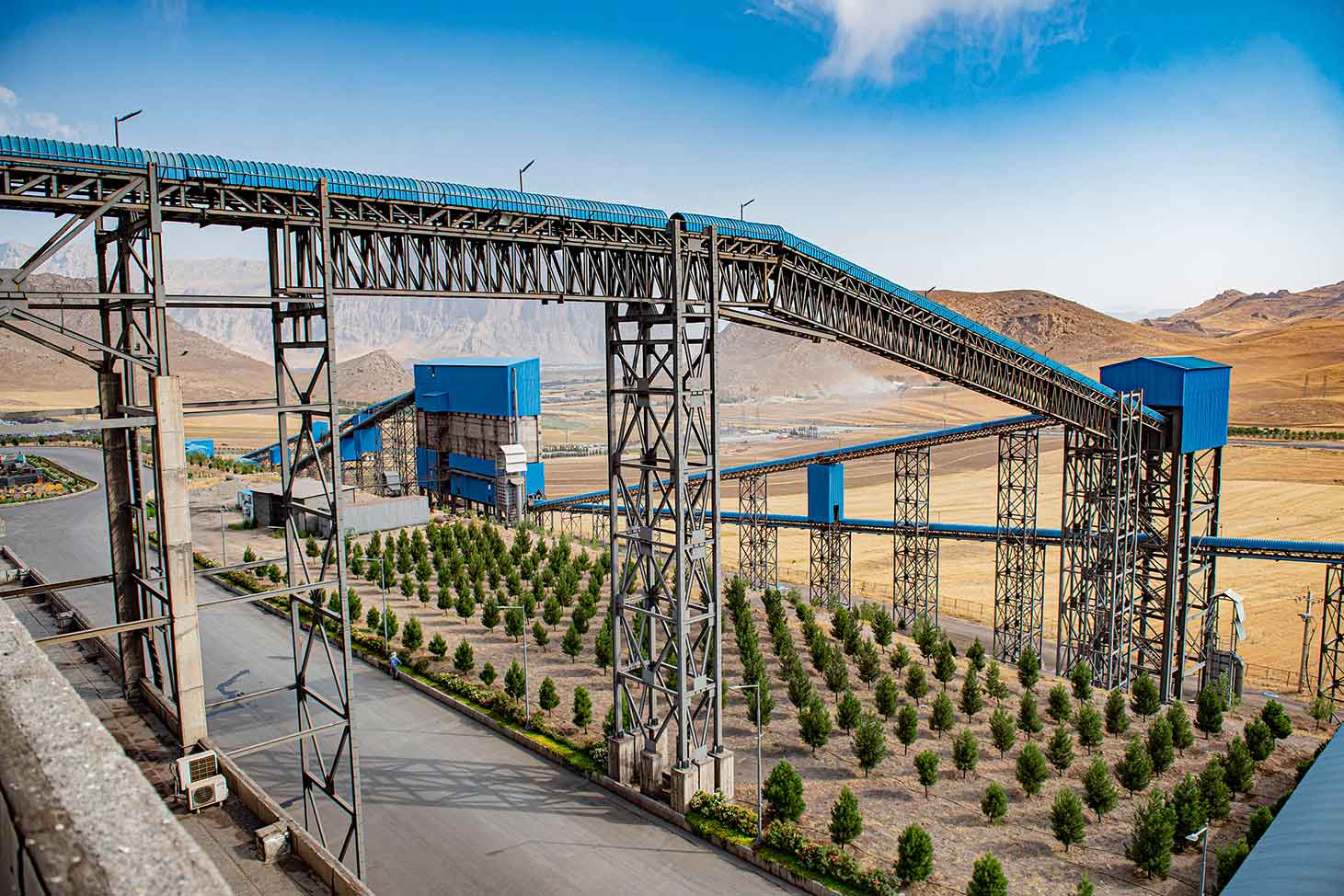
Among the most prominent initiatives of Bisotoun Steel is the project of launching a 12 MW power plant, which, for the first time in the country, will generate electricity using the exit heat of sponge iron production furnaces through the SLRN method. This innovative project, in addition to enhancing energy efficiency, reducing fossil fuel consumption, and preventing heat loss, is regarded as an important step toward sustainable development and improving environmental indicators.
The initial results of the company’s measures include significant reduction in electricity consumption during peak hours, reduction of costs related to gas and electricity consumption, improvement of production efficiency, reduction of unwanted downtimes, and strengthening the company’s position in the field of social responsibility and environmental considerations.