Bisotoun Steel Company (Shokri Group), as one of the main supporters of the Kurdish horse in Kermanshah Province, plays an active role in preserving, developing, and introducing this valuable regional heritage. The company is also one of the largest breeders of Kurdish horses in the province and, with a responsible and long-term approach, has taken meaningful steps toward safeguarding this purebred breed. In this regard, the new logo of the Kurdish horse breeding company was recently unveiled; this symbol reflects the connection between industry, indigenous identity, and the complex’s forward-looking vision.

Kermanshah, long regarded as the homeland of the Kurdish horse—one of the purest and oldest horse breeds in the world—holds a special place in the culture and daily life of the people of western Iran. The history of this breed dates back to the eras of the Medes, Achaemenids, Parthians, and Sasanians, and historical evidence such as the rock reliefs of Taq-e Bostan attests to its importance in Iranian civilization. The vast plains of the Zagros mountain range, including Mahidasht and Chamchamal, have long been the main centers for breeding this noble horse.
For more than half a century, the Shokri family has been actively involved in preserving and promoting the Kurdish horse breed.The physical characteristics of the Kurdish horse make it distinct and recognizable: a strong, muscular neck; an elevated mane and tail; sturdy legs; well-developed and durable hooves; and an elongated face with prominent cheeks, together with calm and penetrating eyes, all of which give it a majestic appearance. In terms of temperament, this breed is also known for its patience, endurance, courage, and companionship with humans—qualities that have made it a constant helper to the people of this land on difficult journeys.
Logo Design
Inspired by these defining characteristics, the Kurdish Horse logo was created as a modern and minimalist interpretation of a rich cultural heritage and authentic regional identity. The overall form of the logo is derived from the breed’s muscular neck, elongated facial structure, and powerful legs, resulting in a clean yet striking visual symbol that conveys strength, elegance, and resilience.
Beyond their aesthetic appeal, the mane and tail carry deeper symbolic meaning. The mane draws inspiration from the sun motif found in ancient Persian culture, as well as the renowned rock reliefs of Taq-e Bostan, reinforcing the logo’s historical and cultural significance. The legendary horse Shabdiz—associated with Khosrow Parviz and immortalized in the Taq-e Bostan carvings—served as an additional source of inspiration, creating a meaningful connection between Persia’s historic grandeur and contemporary design
The use of geometric lines inspired by the traditional motifs of Herisin kilims further strengthens the connection between cultural heritage and contemporary graphic design. These patterns seamlessly integrate elements of traditional craftsmanship into a modern visual language, enriching the logo with a sense of place, authenticity, and artistic continuity.
Color Selection
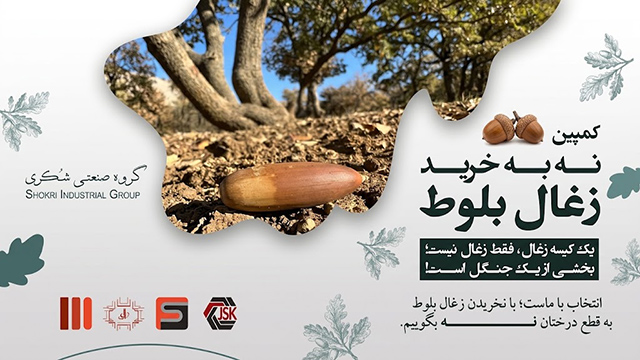
The primary color of the logo is “Forest Green”—a hue that signifies not only freshness and stability but also evokes the majestic oak trees of the Zagros mountain range in western Iran. As a symbol of resilience and life in the heart of the mountainous Zagros wilderness, the oak tree holds a deep connection with local identity. Furthermore, in ancient cultures, green represented fertility and rebirth; In ancient Persian traditions, green was associated with renewal and the arrival of spring. In today’s world, this color also reflects environmental values and sustainability, highlighting the logo’s alignment with global concerns.
Visual and Cultural Identity
This logo is not merely a graphic symbol; it serves as a bridge between past and present. It recalls a time when the Kurdish horse embodied endurance, grandeur, and companionship with humans—and now, reinterpreted through a minimalist and contemporary design language, it can help introduce this pure breed on both national and international levels as a strong visual identity.
By blending history, culture, nature, and indigenous arts, the Kurdish horse logo becomes a lasting emblem with cultural and identity-related significance. Beyond its aesthetic dimension, it carries meaning and can play a vital role in presenting the valuable heritage of western Iran.