Iran Steel Association Meets with Journalists; Challenges and Opportunities of the Steel Industry Explained
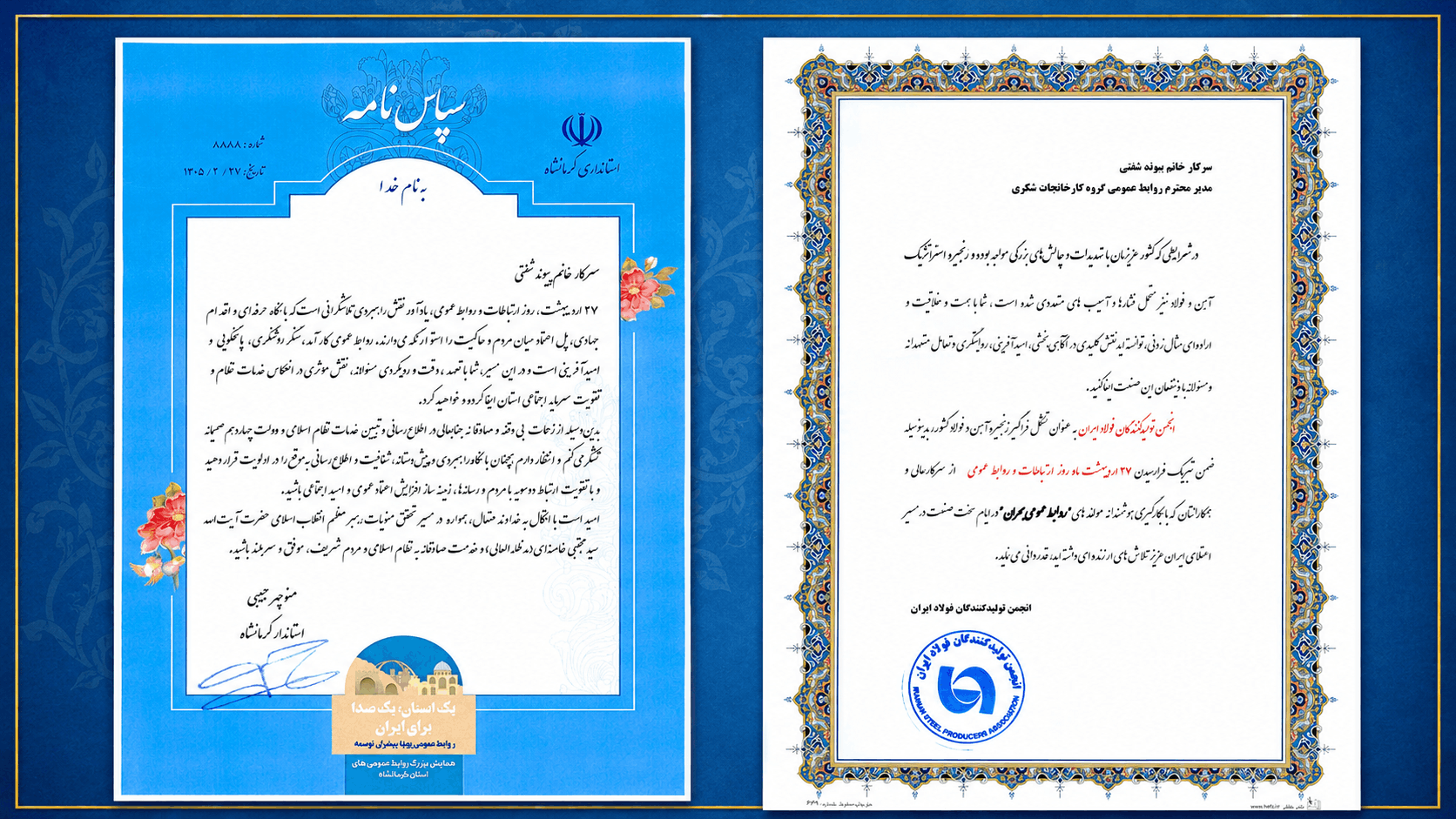
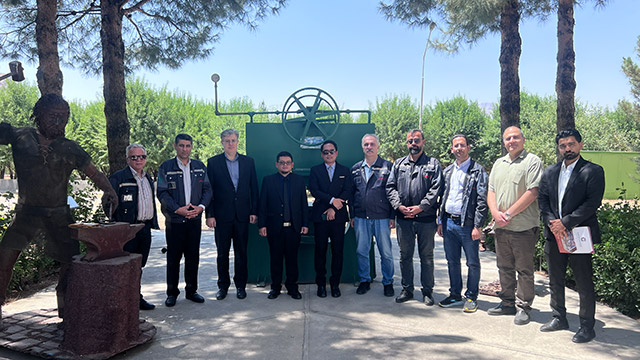
The press conference of the Board of Directors and the Executive Board of the Iranian Steel Producers Association was held on Sunday, August 17, 2025, on the occasion of Journalist Day and National Day of Associations and Social Participation, with the presence of more than 70 specialized journalists in the field of mining and steel.
In this meeting, the members of the Association, while presenting a comprehensive report on the status of Iran’s steel industry, explained the most important challenges and opportunities in this sector and answered media questions.
Key Points of the Meeting:
Energy imbalance and the shutdown of part of steel production capacity
Decline in profitability of steel industries
Drop in exports due to the misuse of rented trade cards
Price gap of Iranian steel from factory gate to the global market
Consequences of the “Snap Pack” package on the steel industry
The necessity of enhancing economic diplomacy to develop exports
Mr. Jahandar Shokri, member of the Board of Directors of the Iranian Steel Producers Association and CEO of Bisotoun Steel, criticized the continuation of export problems and stated:
Iran’s steel exports are not only under pressure from foreign tariffs; widespread misuse of rented trade cards has also paralyzed this sector, and exports of Bisotoun Steel dropped to zero last year.
Many trade cards, instead of being used for real foreign trade activities, have merely become tools for profiteering, and the suspension of issuing new cards faced resistance.
Iraq’s heavy tariffs on the import of Iranian rebar have restricted important export markets.
Unifying the exchange rate is a prerequisite for supporting production and boosting exports.
The country’s induction units, with a capacity of about 7 million tons, are facing a crisis of energy supply, shortage of raw materials, and imposed pricing in the commodity exchange.
The country’s export policies should be reformed with the aim of bringing foreign currency and providing real support to producers, not just increasing statistical export numbers.
Only by realigning the exchange rate and eliminating rent-seeking can a sustainable and competitive export path be opened.
At the end, Mr. Jahandar Shokri emphasized the need for urgent actions:
Reforming currency policies, strict supervision of trade cards, and practical support for real producers must be the main priority of policymakers.
“Protecting national production and returning real added value to the country’s economy is an undeniable necessity.”